Perimenopause, Menopause & Postmenopause
-
Perimenopause, Menopause & Postmenopause
What Comes Next Can Be Better Than What Came Before.
REQUEST A CONSULTATION
80%
80% Have hot flashes or night sweats
88%
Report sexual dysfunction
Up to 4X
Higher risk of major depression
33% vs 75%
Women vs men who always orgasm with sex

Six Elements. One Complete Approach.
function, greater vitality, comprehensive rejuvenation and a stronger SexSpan™.

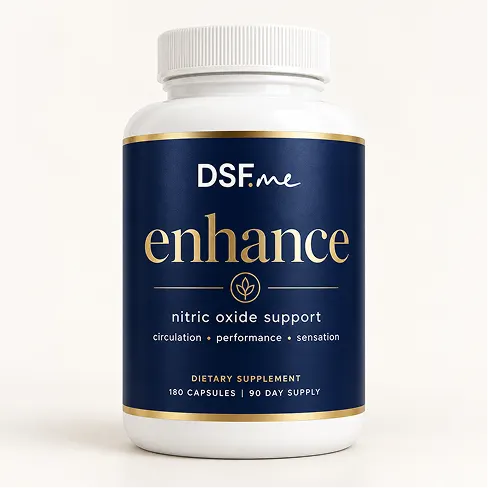
Enhance
Circulation
Supports blood flow, arousal, lubrication & performance

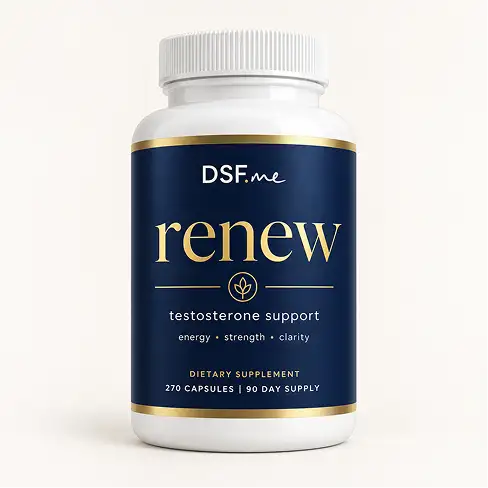
Hormone
Balance
Supports desire, energy, mood & vitality

Tissue
Regeneration
Supports comfort, elasticity & tissue renewal

Nerve
Function
Supports sensation, pleasure & sexual response

Pelvic Floor
Support
Supports bladder control, bowel function & intimacy

DSF.me
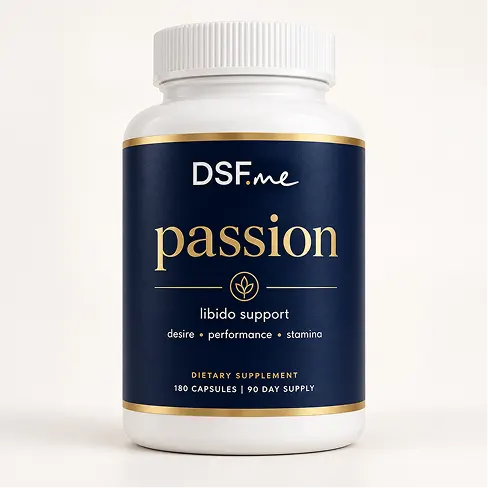
Supplements
Supports circulation, hormones & sexual wellness
Virtual or In-Office Consultations & Coaching
Receive expert guidance in person, virtually, or through personalized coaching—wherever you are.
Discretion
& Privacy
Many public figures, celebrities, and professionals choose Bawa Medical because they can receive care with complete discretion, including private consultations without ever sitting in the waiting room.
Personalized, Curated Care
Every treatment plan is thoughtfully designed around your unique anatomy, goals, lifestyle, and overall health—because no two people are the same.
Treatment Designed for Every Stage of You.

BawaWave®
Improve circulation, sensitivity, and intimate response.
BawaRF®
Improve firmness, lubrication, sensation, and circulation.
BawaShot®
Support sensation, arousal, orgasm, and tissue rejuvenation.
Vaginal CO₂
Reduce dryness; improve comfort, tissue health, urinary control.
BawaTone
Strengthen pelvic-floor support and improve urinary control.
Hormone Optimization
Hormone support through postpartum, perimenopause, menopause, and postmenopause.
BawaLift
Non-Surgical Labiaplasty
Improve labial shape, symmetry, firmness, volume, and confidence.
DSF.me Supplements®
Supports circulation, hormones & sexual wellness


Why People Travel to
Bawa Medical
People travel to Bawa Medical from across the United States and around the world because they are looking for more than a prescription. They are looking for transformation.
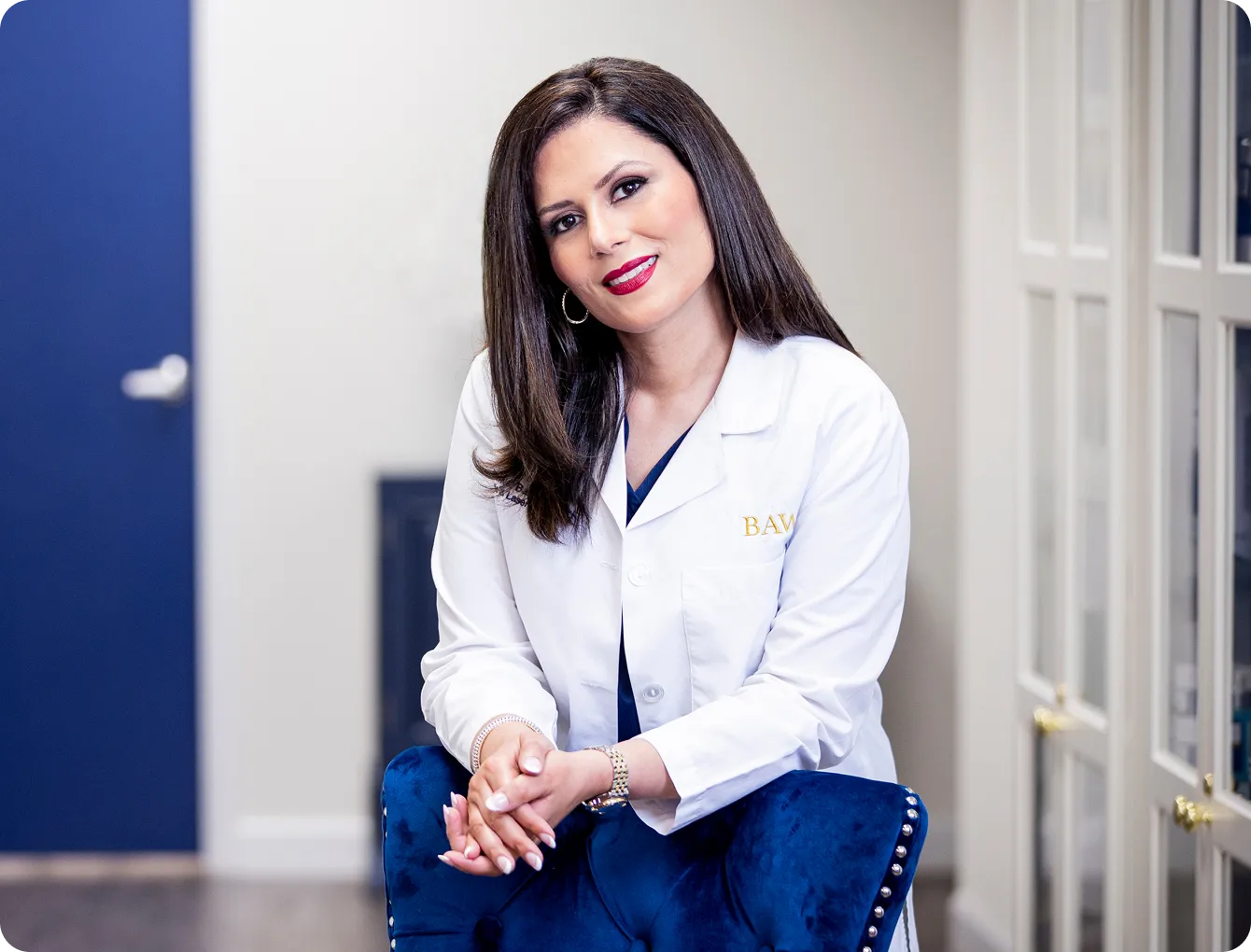
Dr. Kanwal Bawa is a Cleveland Clinic-trained, board-certified physician, sexual medicine expert, TEDx speaker, educator, international lecturer, media authority, and creator of the US-made DSF.me® supplement line. Her personalized approach combines advanced technology, regenerative medicine, hormone optimization, and evidence-based care to help men and women improve confidence, performance, intimacy, and quality of life.
People travel thousands of miles because expertise, innovation, and individualized care matter.
Frequently Asked Questions
How do I know if I am in perimenopause?
Perimenopause can be easy to miss because some women have obvious symptoms while others have few or none. Periods may still be completely regular. Symptoms may first appear as sleep changes, weight gain, hot flashes, mood changes, brain fog, lower libido or changes in lubrication and orgasm. Because more women are having children later, postpartum and breastfeeding changes can also overlap with early perimenopause and blur the picture. One normal hormone test does not necessarily rule it out. Diagnosis often depends on the overall pattern of age, symptoms, menstrual history, postpartum status and medical history.
Can perimenopause begin in my 30s?
Yes. Perimenopause most often begins in the 40s, but symptoms can begin in the 30s. [1] Symptoms at a younger age still deserve evaluation because other hormonal and medical conditions can look similar.
Can I be in perimenopause if my periods are still regular?
Yes. Perimenopause symptoms can begin while periods still appear relatively regular.
What is the difference between menopause and postmenopause?
Menopause is reached after 12 consecutive months without a menstrual period when there is no other cause. Postmenopause begins after menopause and continues for the rest of a woman’s life.
What happens to estrogen after menopause?
Ovarian estrogen production falls substantially. Lower estrogen can affect bone, genital tissue, the urinary tract and other systems throughout the body.
Do women have more testosterone than estrogen?
Across much of the female lifespan, circulating testosterone is more abundant than estradiol. Population data cited in a recent review estimate testosterone concentrations at roughly 5 to 50 times estradiol concentrations depending on age and reproductive stage. [7] That does not mean testosterone is 5 to 50 times more important; the hormones have different actions, receptors and patterns of production.
What does testosterone do for women?
Testosterone affects more than libido. It plays a role in sexual desire, arousal, orgasm, genital sensitivity and responsiveness, and may also influence mood, motivation, energy, muscle mass and body composition.
Emerging research is also examining its effects on lubrication, genitourinary health, tissue integrity and blood flow. [8] When testosterone changes, a woman may feel different physically, sexually and emotionally.
Can menopause cause low libido?
Yes. Hormonal changes can contribute to low sexual desire, but medications, sleep, stress, pain, relationship factors and other medical conditions may also play a role.
Can menopause make it harder to orgasm?
Yes. Changes in hormones, genital blood flow, tissue health, lubrication, sensation and comfort may all affect orgasm.
Can the clitoris shrink during perimenopause or after menopause?
Yes. Clitoral and other genital tissue changes can begin during perimenopause and continue through menopause and postmenopause. Falling estrogen and testosterone, reduced genital blood flow and less frequent engorgement can all contribute to changes in clitoral size, sensitivity and responsiveness. The labia, vaginal opening and surrounding tissues can change too. [15,16]
This is why Dr. Bawa looks beyond hormones alone and also treats blood flow, tissue health and sexual responsiveness.
Can the vagina become shorter or narrower after menopause?
Yes. Lower estrogen can cause vaginal tissue to become thinner, drier and less elastic, and the vagina may become shorter or narrower. [6]
What is genitourinary syndrome of menopause?
Genitourinary syndrome of menopause, or GSM, describes the genital and urinary changes that can develop as estrogen and other sex hormones decline. It can affect the vagina, vulva, clitoris, urethra and bladder, causing dryness, burning, irritation, painful sex, reduced lubrication, urinary urgency and recurrent urinary tract infections.
These changes can also affect tissue elasticity, blood flow, sensation and sexual responsiveness, which is why GSM can have a much broader impact than vaginal dryness alone.
Are hormone pellets safe for menopause and hormone replacement therapy (HRT)?
Dr. Bawa does not recommend hormone pellets. Once implanted, they are difficult to adjust or stop, hormone levels can rise too fast after insertion and then decline sharply over time, and if the dose is too high or side effects occur, the patient may have to wait for the pellet to wear off.
Pellet insertion can also cause bruising, infection, extrusion, scarring, skin thickening or lumpiness. Dr. Bawa prefers creams, gels, patches or injections because the dose can be adjusted or stopped as a woman’s symptoms and hormone levels change. [14]
She believes that hormone therapy should be precise, adjustable and individualized.
Can breast cancer survivors use vaginal estrogen?
Yes. Most breast cancer survivors, including many women who had estrogen receptor–positive breast cancer, can use low-dose vaginal estrogen when it is clinically appropriate. Unlike systemic hormone therapy, low-dose vaginal estrogen acts locally and produces only minimal systemic absorption. Current evidence has not shown an increased risk of breast cancer recurrence, breast cancer–specific mortality or overall mortality in survivors who use vaginal estrogen. [9,10]
ACOG specifically allows low-dose vaginal estrogen in women with a history of breast cancer, including those taking tamoxifen. Women taking aromatase inhibitors can also use it after an individualized discussion with their gynecologist and oncologist. [9]
Breast cancer survivors should not automatically be denied effective treatment for vaginal dryness, painful sex and genitourinary syndrome of menopause simply because their cancer was hormone-sensitive.
Is vaginal estrogen systemically absorbed?
Low-dose vaginal estrogen is designed to act locally and produces minimal systemic absorption. Current reviews have not demonstrated an increase in breast-cancer recurrence or mortality with vaginal estrogen use in survivors. [11,12]
Is hormone replacement therapy (HRT) safe?
Hormone therapy can be appropriate and highly effective for many women. Benefits and risks depend on the individual woman, the type and route of therapy, age, medical history and time since menopause. [13]
What are bioidentical hormones?
Bioidentical hormones are hormones that are chemically identical to hormones naturally produced by the body, including estradiol, progesterone and testosterone. They may be used as part of hormone replacement therapy (HRT) when appropriate.
“Bioidentical” does not automatically mean safer or better. Dr. Bawa focuses on the specific hormone, dose, route and monitoring rather than relying on the label alone. For a deeper discussion of bioidentical HRT and hormone treatment options, patients can visit the dedicated hormone replacement therapy page.
What if I cannot take systemic hormone replacement therapy (HRT)?
Systemic hormones are only one part of menopause care. Local therapies, nonhormonal medications and other Bawa Medical treatment options may still be appropriate depending on your symptoms and medical history.
Is it too late if I have already been postmenopausal for years?
No. Many sexual, genital, urinary and pelvic-health concerns can still be addressed years after menopause. Starting systemic hormone therapy later requires an individualized risk-benefit discussion, but other treatment options may still be appropriate.
Why do women gain weight during perimenopause and menopause?
Weight gain during perimenopause and menopause can be driven by changing estrogen, progesterone and testosterone levels, loss of muscle mass, sleep disruption, insulin resistance and shifts in where the body stores fat. Many women notice more abdominal weight even when their eating habits have not changed much.
At Bawa Medical, Dr. Bawa looks at hormones, metabolism, muscle and body composition together. Medical weight loss, body contouring and skin tightening treatments can be incorporated at Bawa Medical to help women lose excess fat, preserve muscle and improve metabolic health during perimenopause, menopause and postmenopause.
Can I feel better after menopause than I did before?
Yes, that is possible. The goal does not always have to be recreating what you had before. Improving tissue health, sexual function, pelvic floor strength, sleep, muscle, metabolic health and understanding of your body may allow you to feel stronger and more confident than you did before.
How much does menopause treatment cost?
Cost depends on your symptoms, evaluation and individualized treatment plan. Financing and payment-plan options are available because money should not prevent you from addressing concerns that may be treatable.
What is the first step?
Schedule a private virtual or in-office consultation with Dr. Bawa. Your symptoms, hormone concerns, sexual function, medical history and goals can be evaluated together so your treatment plan addresses you as a whole woman.
Women’s Concerns
-

Perimenopause, Menopause & Postmenopause
Weight gain, hot flashes, libido
Read More -
Urinary Incontinence & Leakage
Leaks, urgency, frequency
Read More -
Painful Sex
Pain, burning, discomfort
Read More -
Loose Vagina
Loose feeling, reduced friction
Read More -
Orgasm Problems
Difficulty climaxing, reduced sensation
Read More -
Postpartum Vaginal Changes
Changes after childbirth
Read More -
Sex After Cancer
Recovery, intimacy, confidence
Read More -
Low Libido
Loss of desire and arousal
Read More -
Vaginal Dryness
Dryness, burning, irritation
-
Intimate Appearance
Appearance, symmetry, confidence
-
Pelvic Floor Problems
Weakness, pressure, support
-
Recurrent UTIs
Urinary tract infections, irritation, imbalance
-
Anal Wellness
Comfort, pain, confidence
Give Your Body What It Needs

Let's Connect
Curated Care
& Privacy
& Coaching